Buy a Kyoto bus day pass for ¥900
Unlimited city bus rides for 24 hours. Most temples and attractions are 1–3 bus stops apart. Far cheaper than individual ¥210 tickets if you're visiting 3+ sites per day.
Walk between nearby temples; skip taxis
Kiyomizu-dera, Sannenzaka, and Higashiyama district are all walkable (20–30 mins). Walking reveals side streets, small shrines, and cafes that buses miss. Taxis are expensive and slow in central areas.
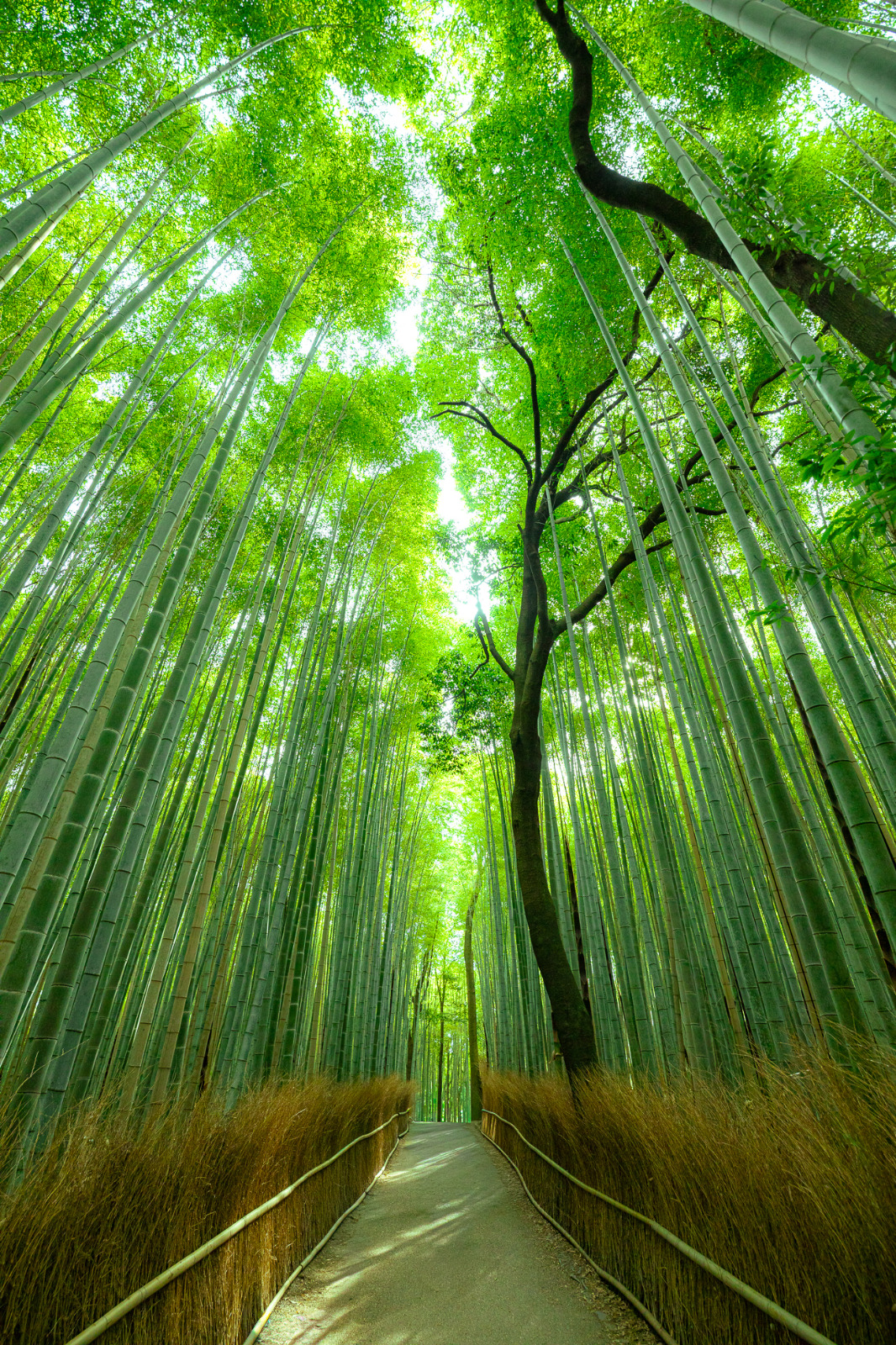
Use the JR line to Arashiyama
Faster and cheaper than buses for the 15-min journey west. Get off at Saga-Arashiyama Station and walk into the bamboo grove and temple district. Return via the same line in evening.
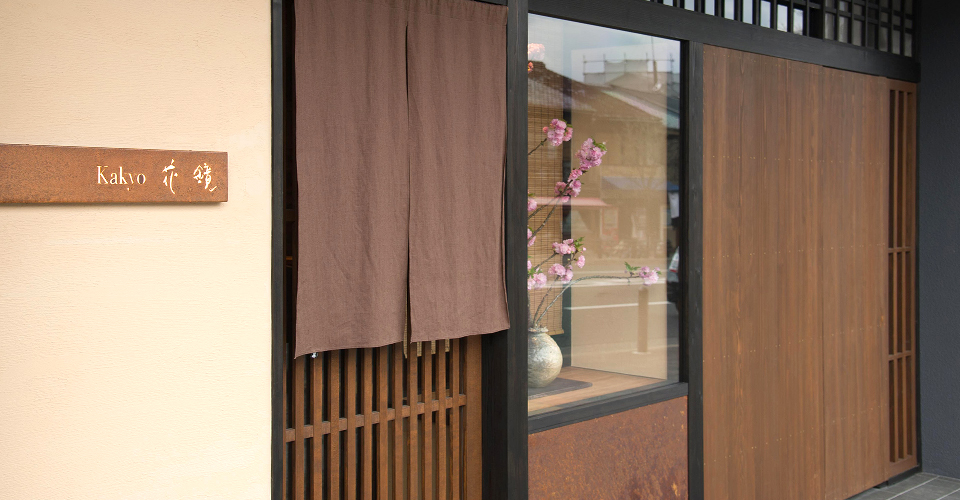
Book kaiseki at Kakyo days ahead
Kakyo (★4.9) is one of Kyoto's finest 12-course traditional multi-course dinners using seasonal ingredients. Reservations fill fast; call 2–3 days before or ask your hotel concierge.
Lunch at casual ramen spots, not restaurants
Skip tourist-heavy lunch spots in central areas. Smaller ramen shops in residential neighborhoods (Shimogyo, Higashiyama) charge ¥800–1200 for excellent bowls instead of ¥2500+ at 'tourist' spots.
Try Kyoto's pickles and tofu at markets
Nishiki Market (a famous covered market) sells tsukemono (pickled vegetables) and yudofu (hot tofu) at stalls. Cheaper and more authentic than seated restaurants; grab items and eat while exploring.
Visit temples at opening time (08:00–08:30)
Most open at 08:00–08:30. Arriving within the first 30 minutes means near-empty grounds, perfect photography light, and no queue at ticket counters. Crowds spike after 10:00.
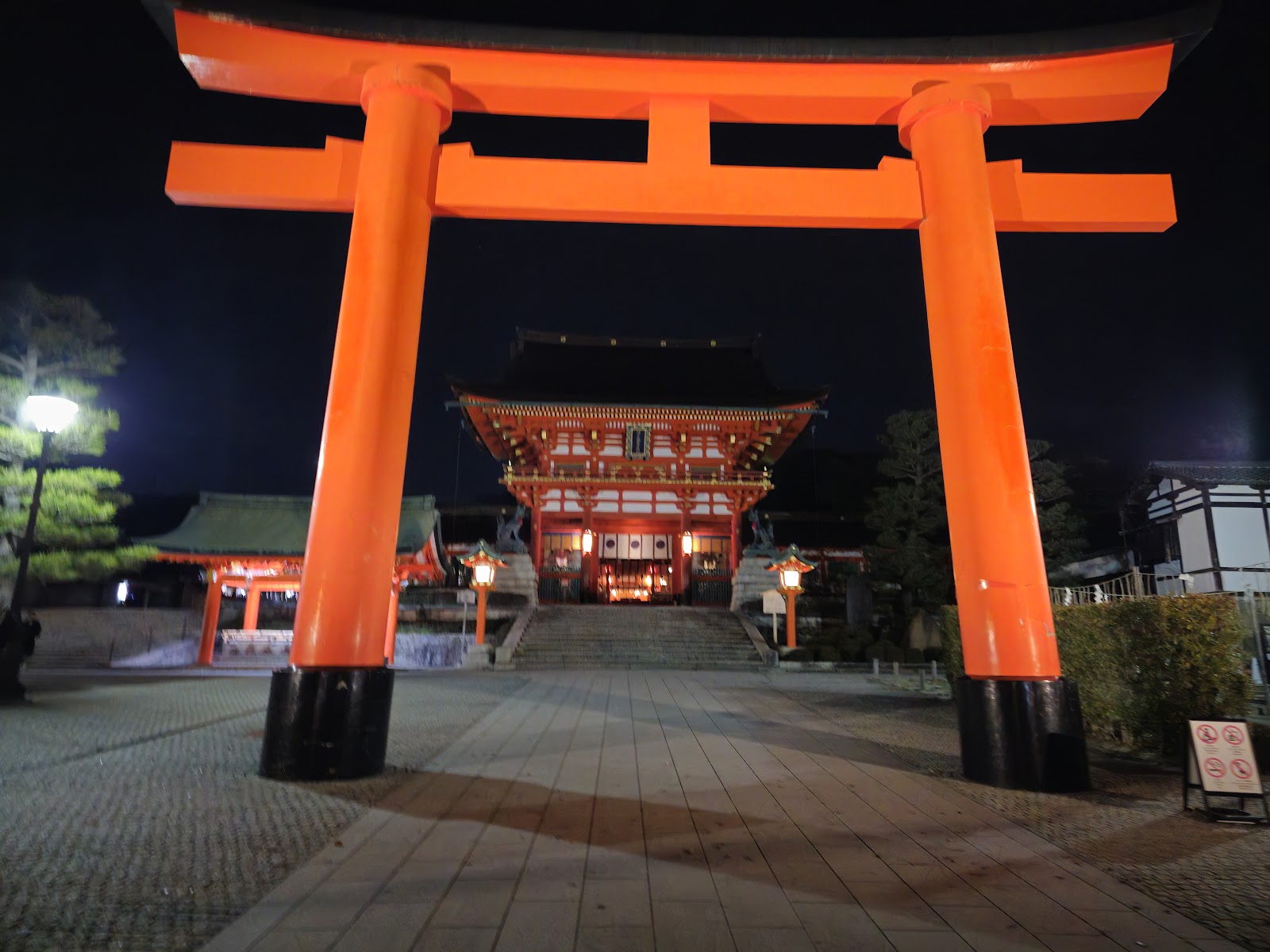
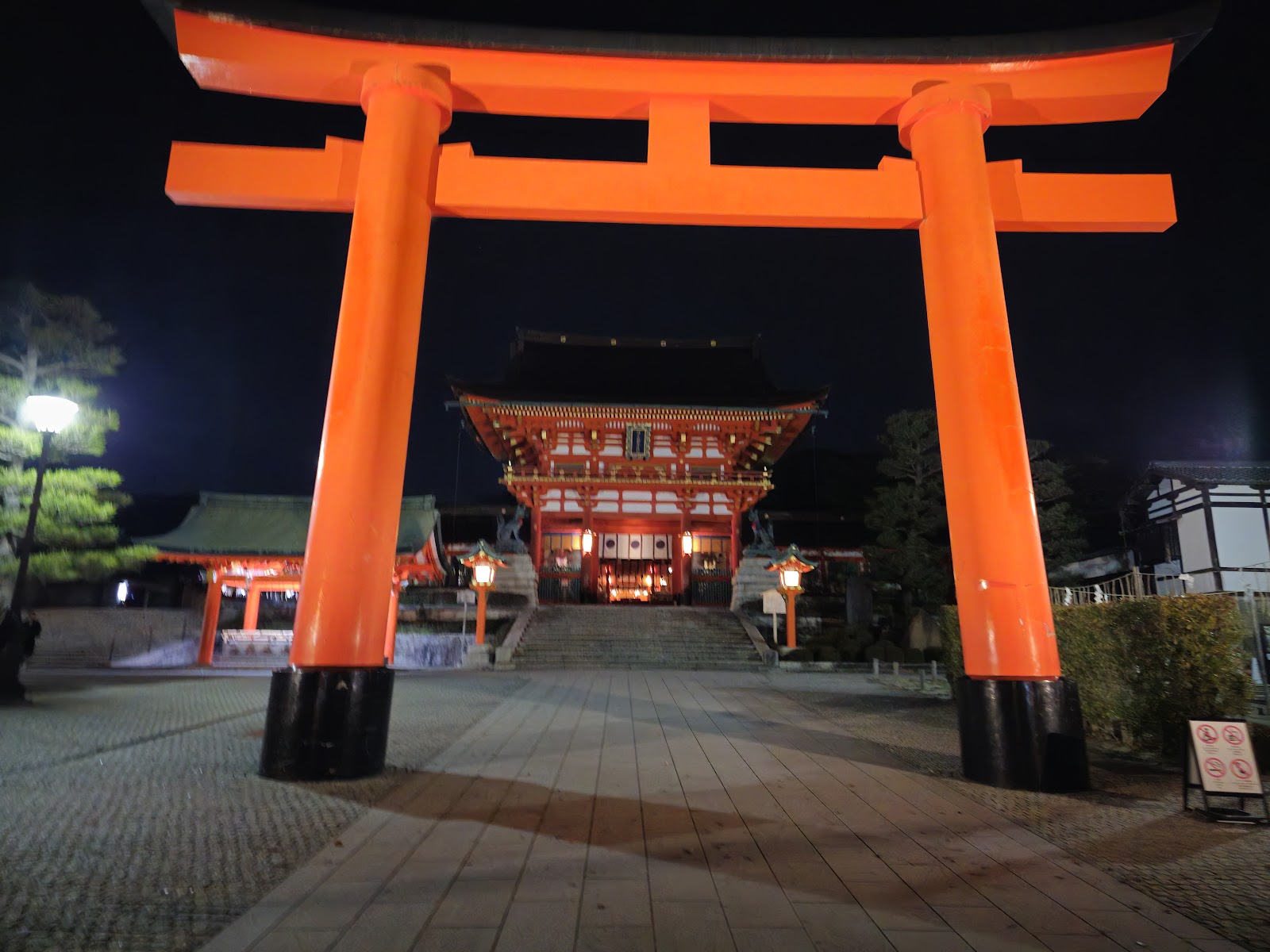
Avoid Fushimi Inari after 11:00 and Thursdays
It's the most-visited shrine in Japan. Even with 10,000+ daily visitors, arriving by 08:30 gives you an hour alone on the trails. Weekdays (Tue–Wed) are quieter than weekends and public holidays.
July is hot and humid; plan indoor breaks
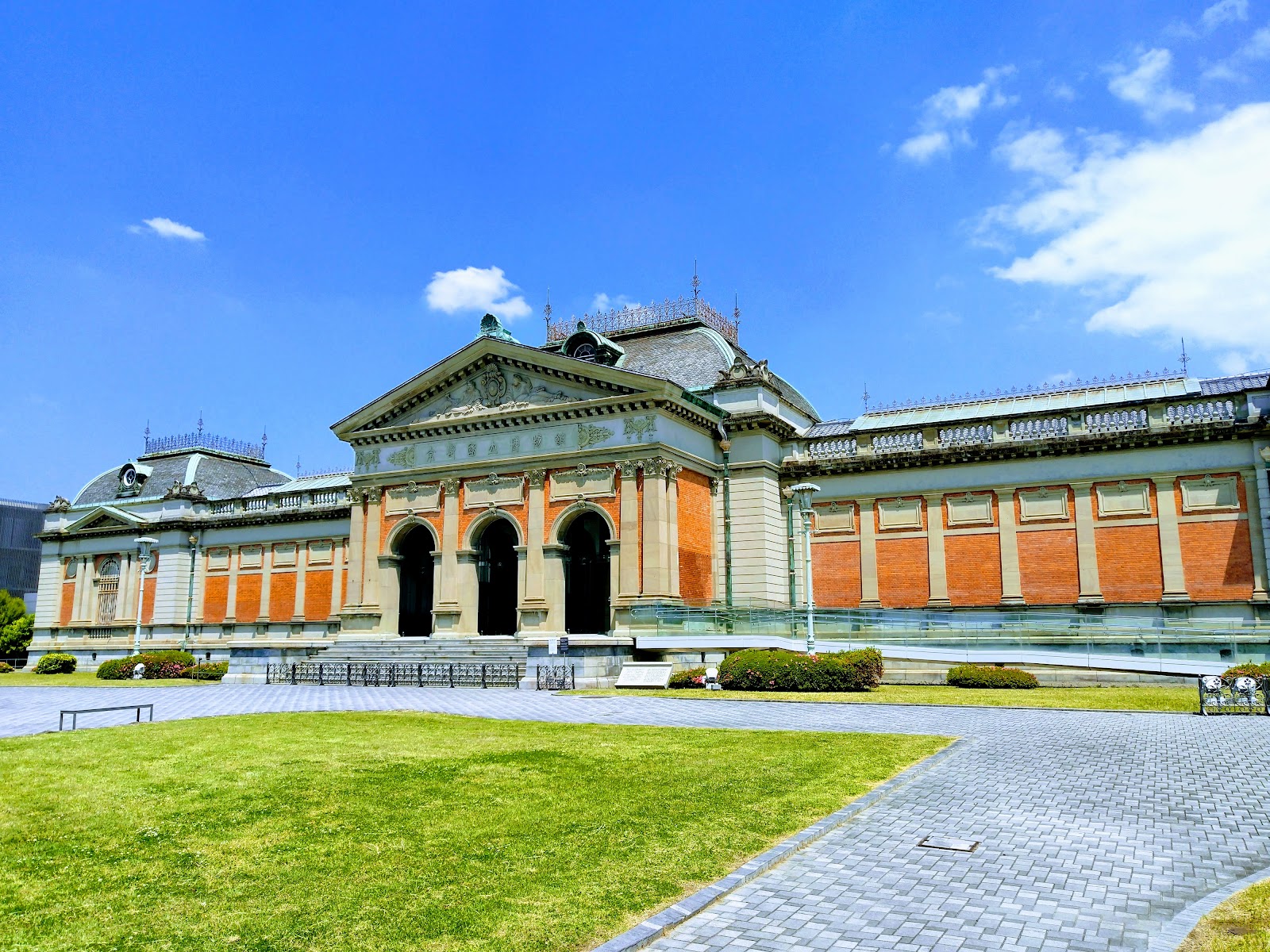
Temperatures hit 30–33°C with 70% humidity. Schedule museums (Kyoto National Museum, Museum of Kyoto) or covered markets mid-afternoon when it's hottest. Have cold drinks and small towels ready.
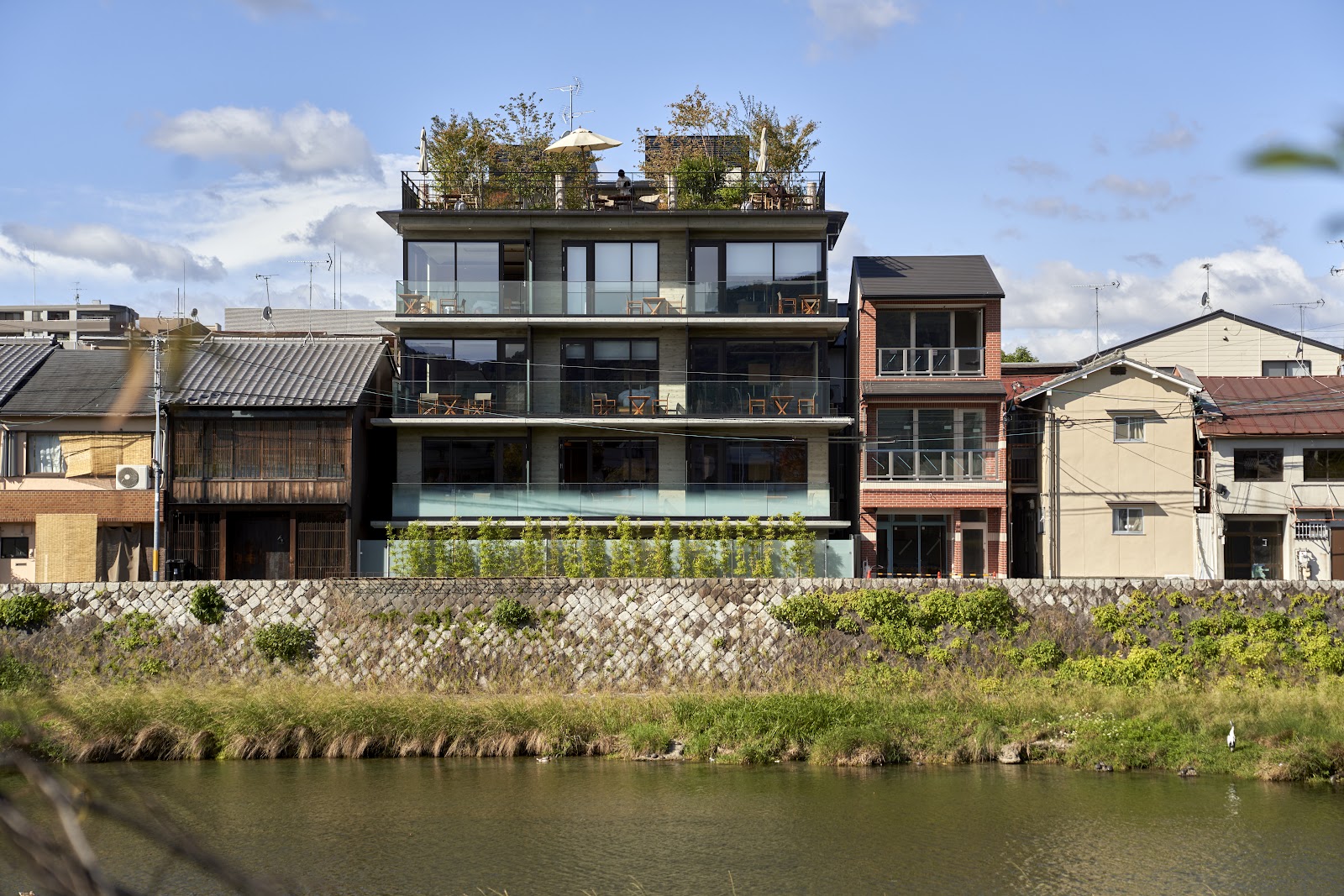
Stay or base near Gion district
Gion is Kyoto's historic geisha quarter with narrow lanes, traditional machiya wooden houses, and excellent restaurants. It's centrally located and walkable to major temples, avoiding long commutes.
Explore Muromachi-koji Square by evening
A quieter, less-photographed area with traditional shops and cafes tucked into alleyways. Visit after 17:00 when most tourists have left—it feels authentic and intimate without crowds.
Walk along the Philosopher's Path at sunrise
A 2km canal-side walk lined with cherry trees (blooms April–May) and temples. Start at 07:00 to have it almost to yourself before buses arrive; connects Ginkaku-ji in the north.